Laboratory Equipment Articles

Flow Cytometry Platforms for Clinical and Laboratory Use

June 10, 2026contact@lynxistudio.com
Flow Cytometry Platforms for Clinical and Laboratory Use

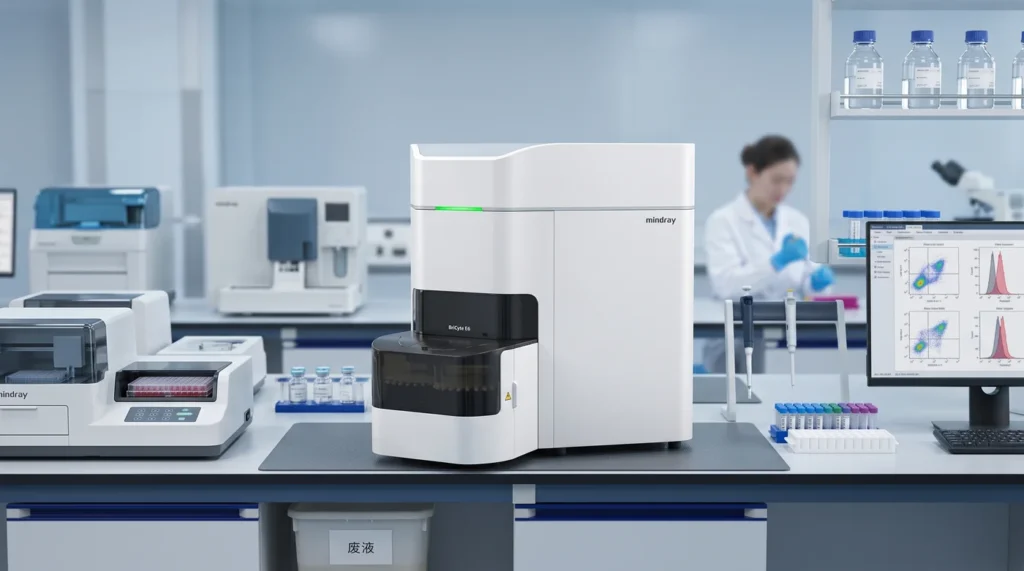
Flow cytometry platforms are considered in a range of clinical, research, and laboratory workflows. Because requirements can vary widely, a product inquiry is most useful when it begins with the intended application and the type of laboratory that will use the system. This gives the buyer and supplier a shared starting point before discussing configuration or commercial details.

Describe the intended workflow

Buyers should identify whether the planned use relates to routine laboratory work, a defined clinical application, research activity, training, replacement demand, or a distribution project. The purpose does not need to include sensitive patient or project information; a simple description of the laboratory workflow is enough to make the discussion more relevant.

Clarify platform expectations

Different platforms may be evaluated according to sample handling, detector configuration, software workflow, supporting accessories, and the buyer's existing laboratory environment. Instead of relying on a general product category label, request information for the exact model or configuration under consideration. This makes comparisons more meaningful and reduces the chance of reviewing incompatible options.

Plan support and receiving requirements

For larger or more specialized equipment, buyers often ask about inspection scope, documentation, packing, shipment arrangement, and the information needed for receiving. These operational details should be raised together with the product request, especially when the destination is outside the supplier's local market.

Build a clear inquiry brief

A concise inquiry can include the preferred brand or model, quantity, intended application, destination, and whether the request is for direct use or distribution. If a buyer is comparing several options, listing the priorities in order can help focus the response. Typical priorities may include product category fit, configuration, condition expectations, and shipment coordination.

Flow cytometry procurement normally benefits from a careful review rather than a one-line comparison. Providing the basic project context early helps the conversation move toward suitable product information and next steps.

Related Articles

Continue Reading

Laboratory Equipment ArticlesCommon Immunoassay Systems for Laboratory Procurement

Flow Cytometry Platforms for Clinical and Laboratory Use

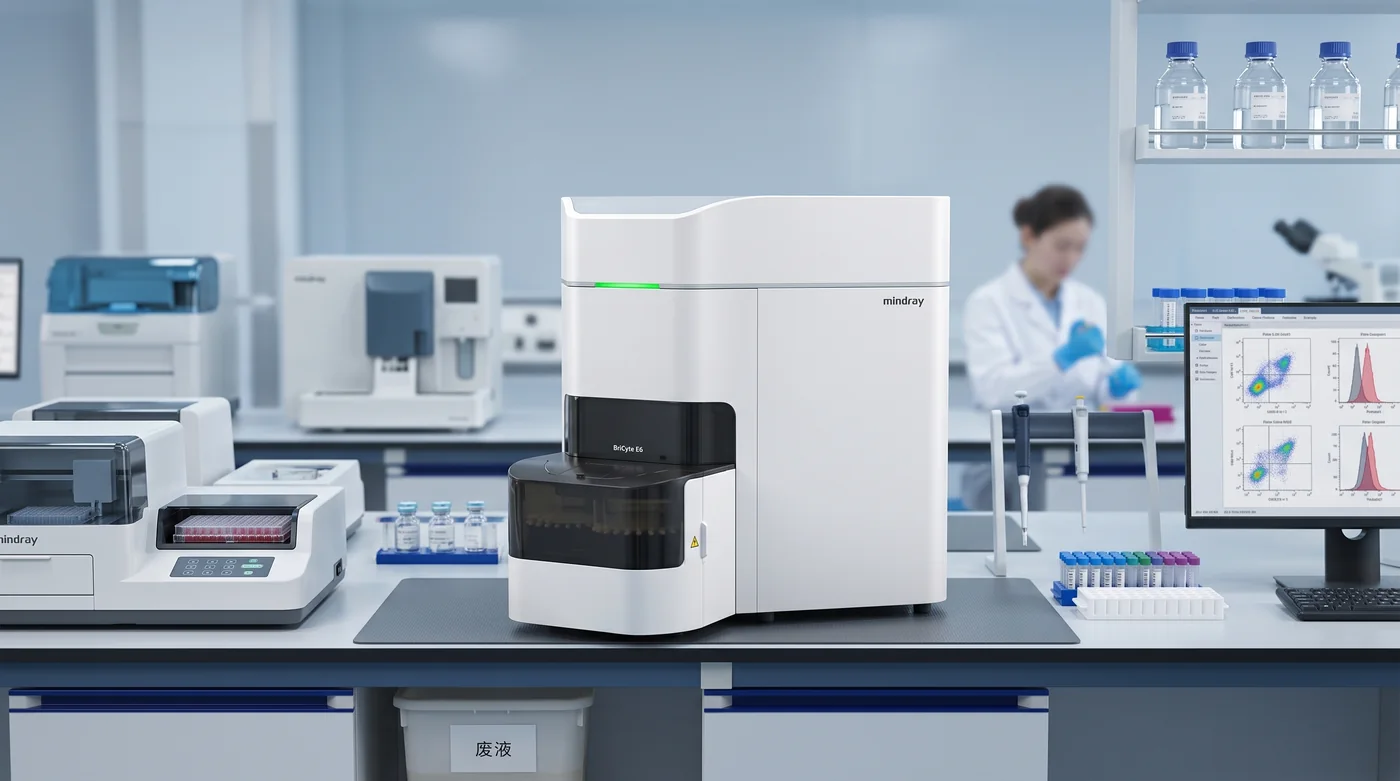
Flow cytometry platforms are considered in a range of clinical, research, and laboratory workflows. Because requirements can vary widely, a product inquiry is most useful when it begins with the intended application and the type of laboratory that will use the system. This gives the buyer and supplier a shared starting point before discussing configuration or commercial details.

Describe the intended workflow

Buyers should identify whether the planned use relates to routine laboratory work, a defined clinical application, research activity, training, replacement demand, or a distribution project. The purpose does not need to include sensitive patient or project information; a simple description of the laboratory workflow is enough to make the discussion more relevant.

Clarify platform expectations

Different platforms may be evaluated according to sample handling, detector configuration, software workflow, supporting accessories, and the buyer’s existing laboratory environment. Instead of relying on a general product category label, request information for the exact model or configuration under consideration. This makes comparisons more meaningful and reduces the chance of reviewing incompatible options.

Plan support and receiving requirements

For larger or more specialized equipment, buyers often ask about inspection scope, documentation, packing, shipment arrangement, and the information needed for receiving. These operational details should be raised together with the product request, especially when the destination is outside the supplier’s local market.

Build a clear inquiry brief

A concise inquiry can include the preferred brand or model, quantity, intended application, destination, and whether the request is for direct use or distribution. If a buyer is comparing several options, listing the priorities in order can help focus the response. Typical priorities may include product category fit, configuration, condition expectations, and shipment coordination.

Flow cytometry procurement normally benefits from a careful review rather than a one-line comparison. Providing the basic project context early helps the conversation move toward suitable product information and next steps.

Leave a Comment