Immunoassay systems are commonly reviewed by distributors, hospitals, and clinical laboratories looking for routine laboratory testing equipment. A focused procurement process starts with the product model, intended application, configuration requirement, and shipment destination. These points help buyers compare equipment in a practical way and help suppliers respond with relevant product information.
Define the required product scope
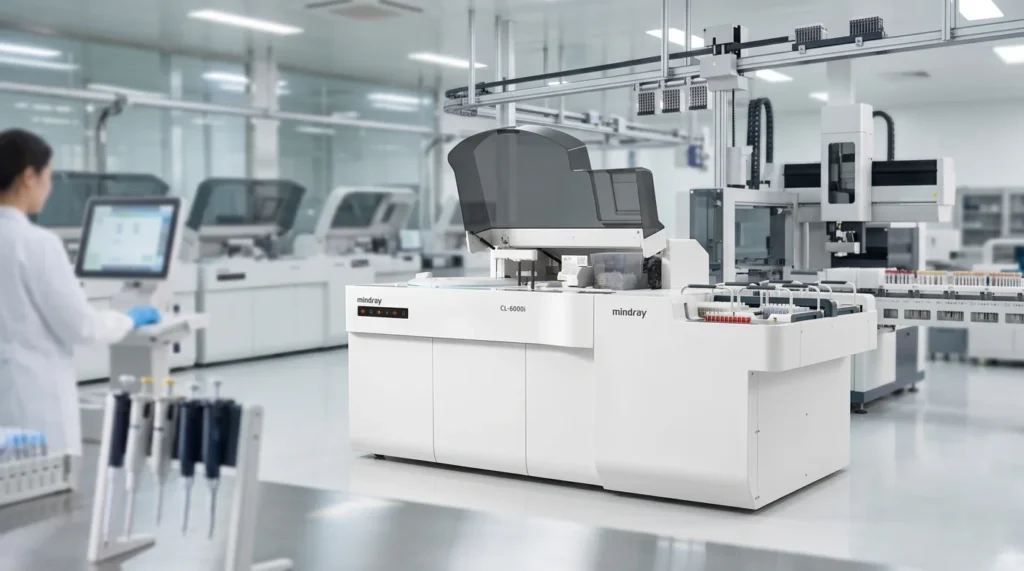
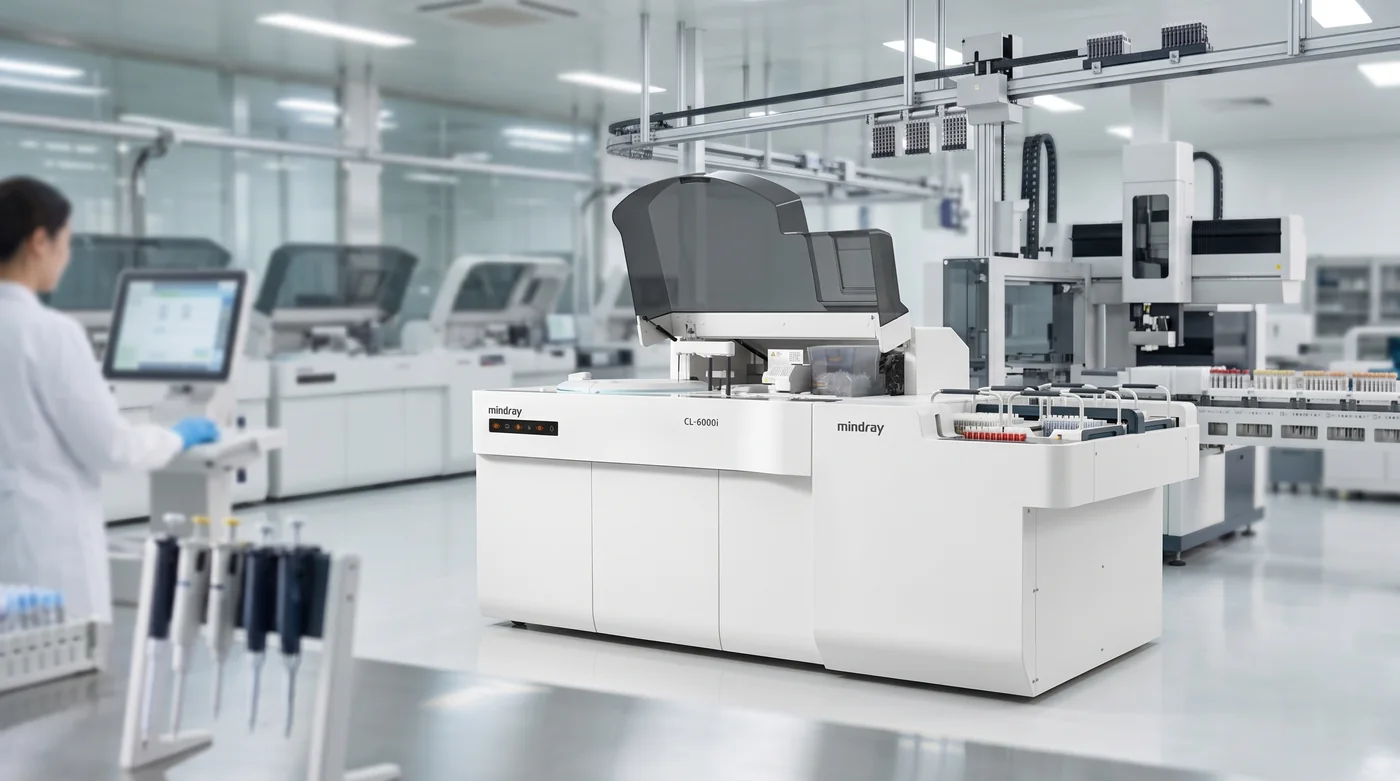
Common inquiry references may include Roche E411, Mindray CL-1200i, Mindray CL-8000i, Snibe systems, and other chemiluminescence platforms. Buyers may be considering routine testing, laboratory expansion, replacement demand, or distribution procurement. The preferred brand and model should be stated clearly because platforms can differ in configuration, testing menu expectations, and operational workflow.
Consider the working environment
Equipment selection should be connected to the intended laboratory environment. Buyers often review the anticipated workload, the range of tests required, available laboratory space, power and installation considerations, and whether the system will sit alongside other diagnostic equipment. This context makes it easier to identify an appropriate product category before detailed commercial discussion begins.
Prepare a complete inquiry
Useful inquiry information includes the requested model, quantity, configuration preference, destination country, and any inspection or shipment-support requirements. Buyers can also mention whether the equipment is intended for an end user, a distribution channel, or a project opportunity. This does not replace technical due diligence, but it gives the supplier a better basis for preparing relevant information.
Review configuration-dependent decisions
For refurbished or configuration-dependent laboratory equipment, fixed public pricing is often less useful than an inquiry-led conversation. Product condition, configuration, included items, quantity, and destination may all affect the final scope. Buyers should therefore confirm the actual equipment information before making a procurement decision.
When reviewing immunoassay systems, it can also be useful to compare related laboratory categories such as clinical chemistry, hematology, urinalysis, and other diagnostic platforms according to the wider laboratory plan.