Product Updates

Urinalysis and POCT Equipment for Rapid Testing Demand

June 5, 2026contact@lynxistudio.com
Urinalysis and POCT Equipment for Rapid Testing Demand

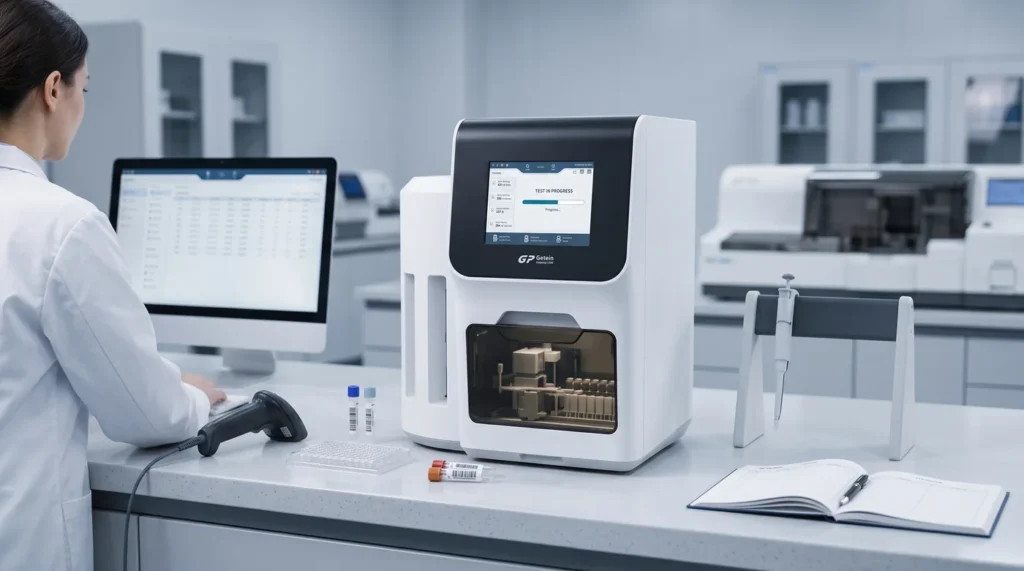
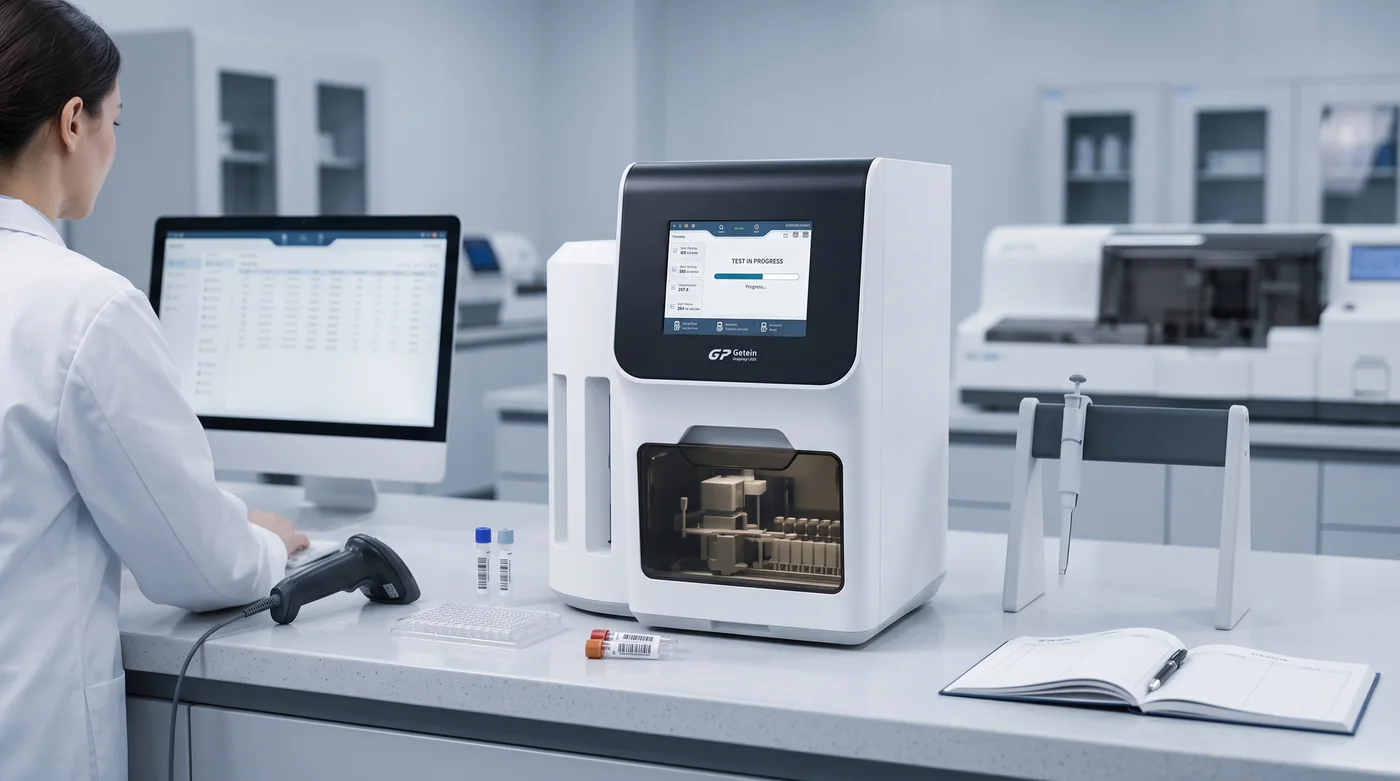
Urinalysis and point-of-care testing equipment are often reviewed for outpatient testing, screening programs, laboratory expansion, and distribution requirements. Although the equipment categories can be grouped under rapid testing demand, each project has its own workflow, space, operator, and reporting considerations. Buyers can save time by defining these points before requesting product information.

Match the equipment to the testing setting

Some buyers are looking for a routine laboratory workflow, while others need equipment suited to outpatient use, screening activity, or a decentralized testing environment. The intended setting affects which product information is most relevant. A short description of the use case can be more helpful than a request based only on a product image or category name.

Confirm the preferred equipment category

Urinalysis systems, POCT analyzers, and related rapid-testing equipment can differ in configuration, measurement approach, consumable requirements, and operating workflow. Buyers should state the preferred brand or model where known and identify any essential requirements that must be reviewed before the product can be shortlisted.

Include operational details in the inquiry

Practical inquiry information includes quantity, destination, intended use, desired configuration, and any questions about inspection or shipment support. For distributor or project inquiries, the buyer can also explain whether the request is for market evaluation, a named laboratory opportunity, or a broader product category review.

Keep comparisons practical

Rapid testing equipment is best compared against the actual operating need. Buyers should consider how the equipment will be used, who will operate it, what supporting products may be needed, and how it fits into the surrounding laboratory or clinical process. Product information can then be reviewed with the correct context rather than as a stand-alone specification list.

Send an inquiry with the preferred product reference and project context to receive a more focused response on available product information and shipment planning.

Related Articles

Continue Reading

Product UpdatesMindray BC Series Hematology Analyzer Supply Update

Urinalysis and POCT Equipment for Rapid Testing Demand

Urinalysis and point-of-care testing equipment are often reviewed for outpatient testing, screening programs, laboratory expansion, and distribution requirements. Although the equipment categories can be grouped under rapid testing demand, each project has its own workflow, space, operator, and reporting considerations. Buyers can save time by defining these points before requesting product information.

Match the equipment to the testing setting

Some buyers are looking for a routine laboratory workflow, while others need equipment suited to outpatient use, screening activity, or a decentralized testing environment. The intended setting affects which product information is most relevant. A short description of the use case can be more helpful than a request based only on a product image or category name.

Confirm the preferred equipment category

Urinalysis systems, POCT analyzers, and related rapid-testing equipment can differ in configuration, measurement approach, consumable requirements, and operating workflow. Buyers should state the preferred brand or model where known and identify any essential requirements that must be reviewed before the product can be shortlisted.

Include operational details in the inquiry

Practical inquiry information includes quantity, destination, intended use, desired configuration, and any questions about inspection or shipment support. For distributor or project inquiries, the buyer can also explain whether the request is for market evaluation, a named laboratory opportunity, or a broader product category review.

Keep comparisons practical

Rapid testing equipment is best compared against the actual operating need. Buyers should consider how the equipment will be used, who will operate it, what supporting products may be needed, and how it fits into the surrounding laboratory or clinical process. Product information can then be reviewed with the correct context rather than as a stand-alone specification list.

Send an inquiry with the preferred product reference and project context to receive a more focused response on available product information and shipment planning.

Leave a Comment