
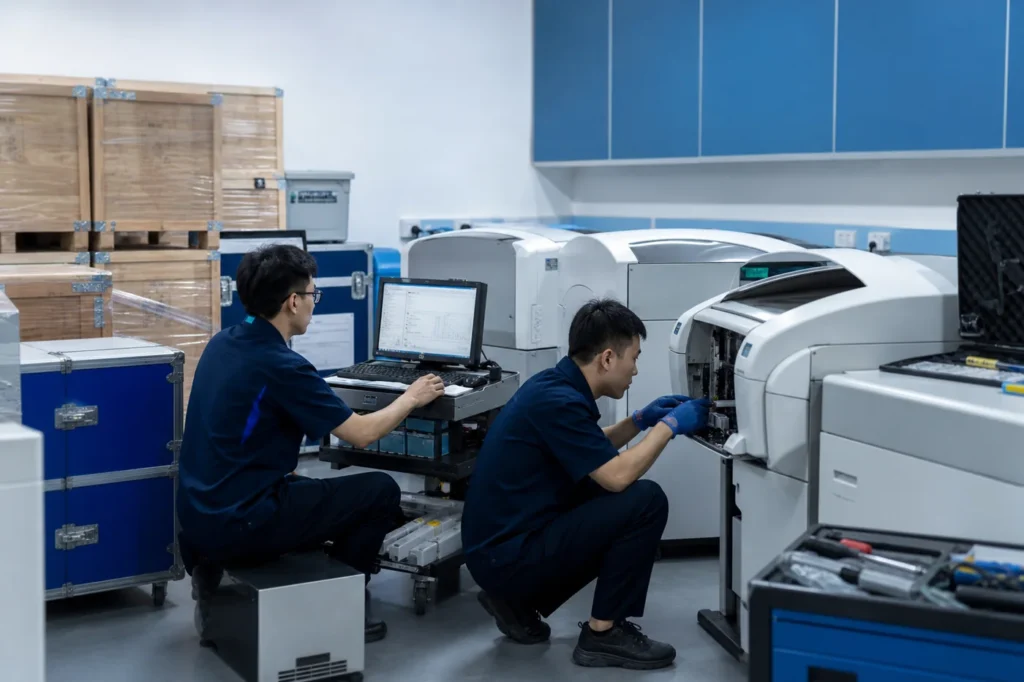
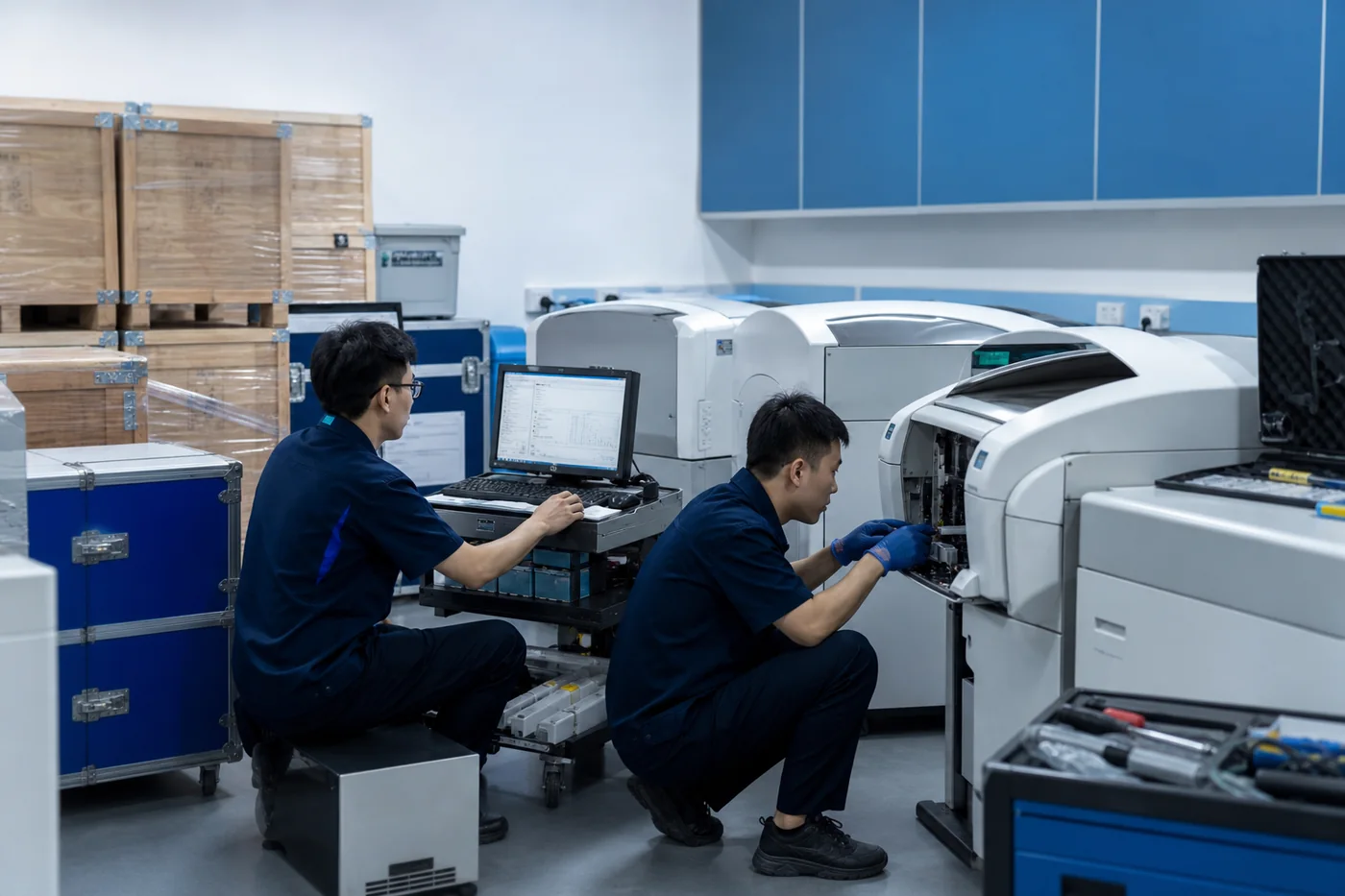
For overseas laboratory equipment orders, clear communication before shipment is one of the most useful forms of service support. It helps the buyer, supplier, logistics contact, and receiving team work from the same understanding of the equipment scope, documentation, and delivery arrangement. This is particularly important when orders involve more than one product category or a destination that requires specific import preparation.
Set expectations before the order moves
Buyers should confirm the product model, quantity, configuration, and included items before logistics arrangements are finalized. If there are questions about condition, visible accessories, documentation, inspection, or packing, those questions are best raised during the inquiry and confirmation stage rather than after the shipment is already in transit.
Use documentation as a shared reference
Equipment identification, packing information, and agreed commercial documents help the receiving side prepare for delivery. The exact documentation depends on the transaction and destination, but a buyer should identify any required format or information early. This allows the supplier and freight parties to discuss the scope before final preparation.
Coordinate the receiving process
Receiving a laboratory equipment shipment may involve a local warehouse, freight forwarder, service partner, or end-user laboratory. Buyers can reduce confusion by confirming who will receive the goods, what contact details should be used, and whether there are access or timing constraints at the delivery location. These practical points are part of a smoother overall handover.
Keep follow-up information organized
After delivery, the relevant order information should remain easy to find. Product references, communications, documents, and any agreed support points give both sides a clearer basis for follow-up. This does not replace a formal service agreement, but it supports a more efficient conversation when equipment information or shipment records need to be reviewed.
When requesting laboratory equipment for an overseas destination, include the product reference, quantity, destination, and any inspection, documentation, or shipment questions. Clear information at the start supports a clearer response throughout the order process.